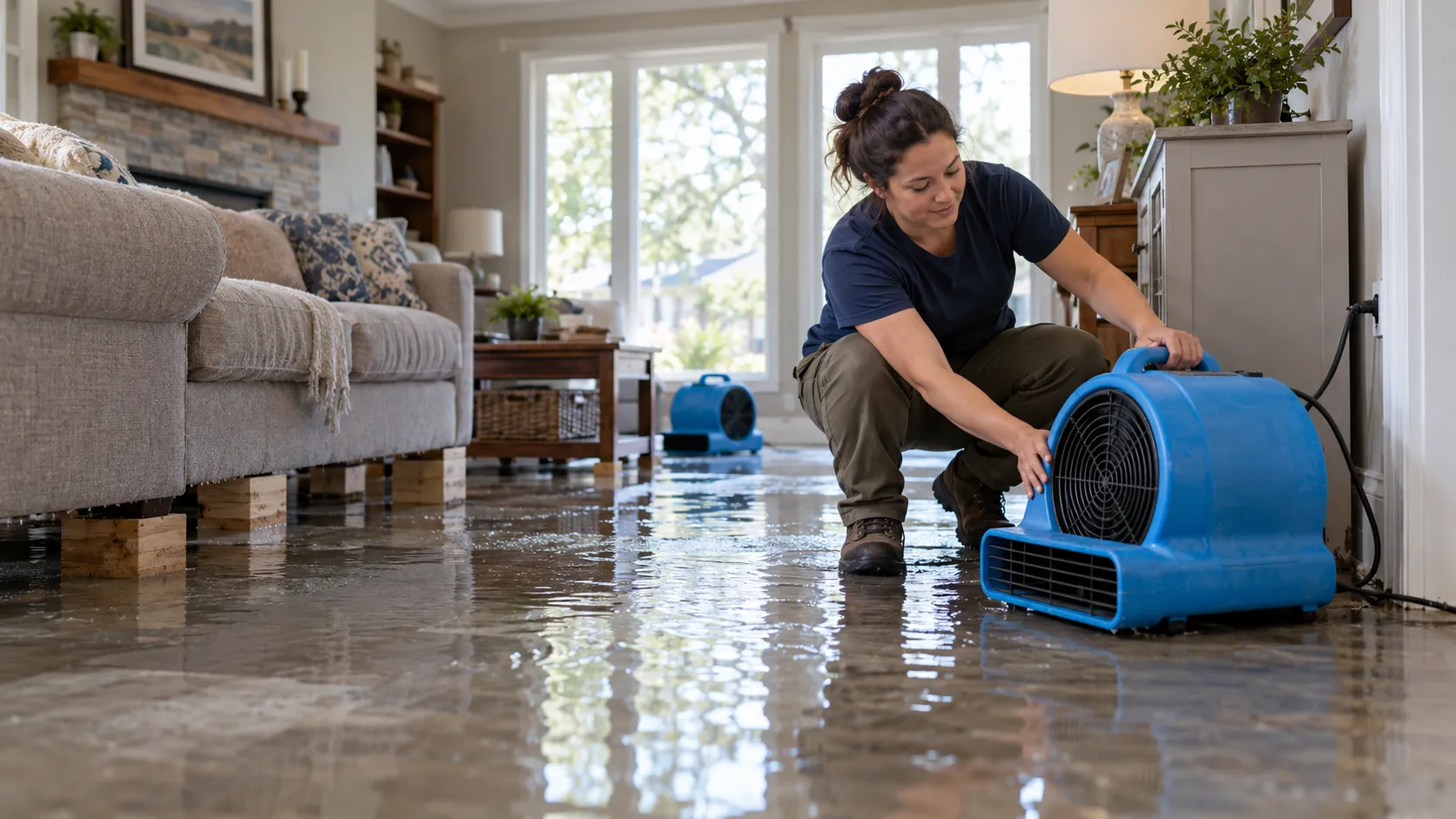
Wet floors, clear next steps
Water Damage Restoration Help in Fort Myers
A leak or storm can leave you unsure where to begin. Performancebelt Restoration connects homeowners with independent local providers for water damage assessment, cleanup, and drying. Start with safety.
- Explain what happened and what got wet
- Ask about local provider availability
- Discuss cleanup and drying options
- Request a written estimate
Help With
Cleanup options
Water Damage Restoration addresses the wider cleanup and recovery process. Flooded Basement Cleanup focuses on water in below-grade spaces. Water Extraction & Structural Drying covers removing collected water and reducing moisture in affected building materials. A provider can explain what your home needs.
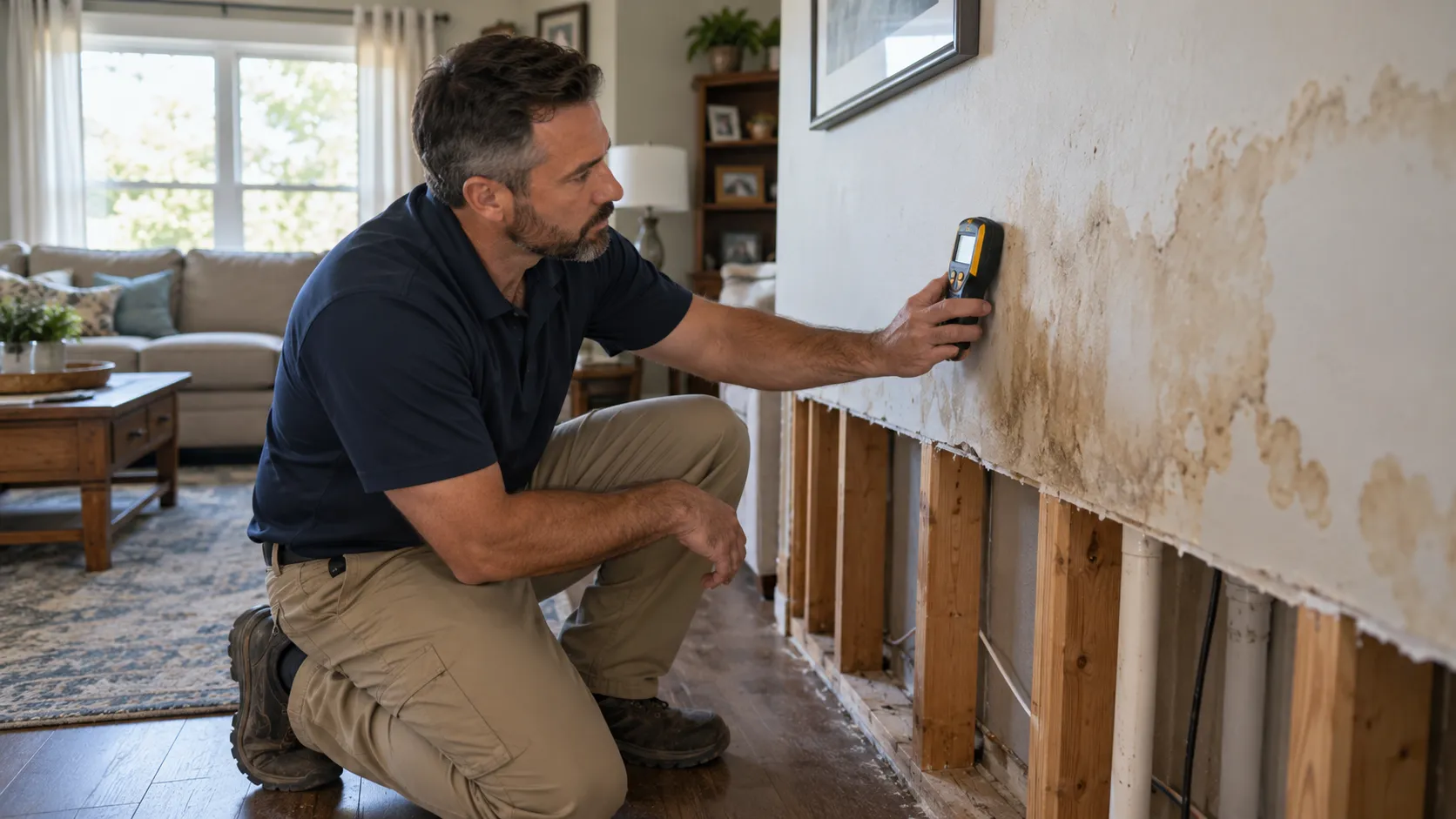
Water Damage Restoration
Performancebelt Restoration connects homeowners with independent local providers who assess water damage and explain restoration options.
Read more about Water Damage Restoration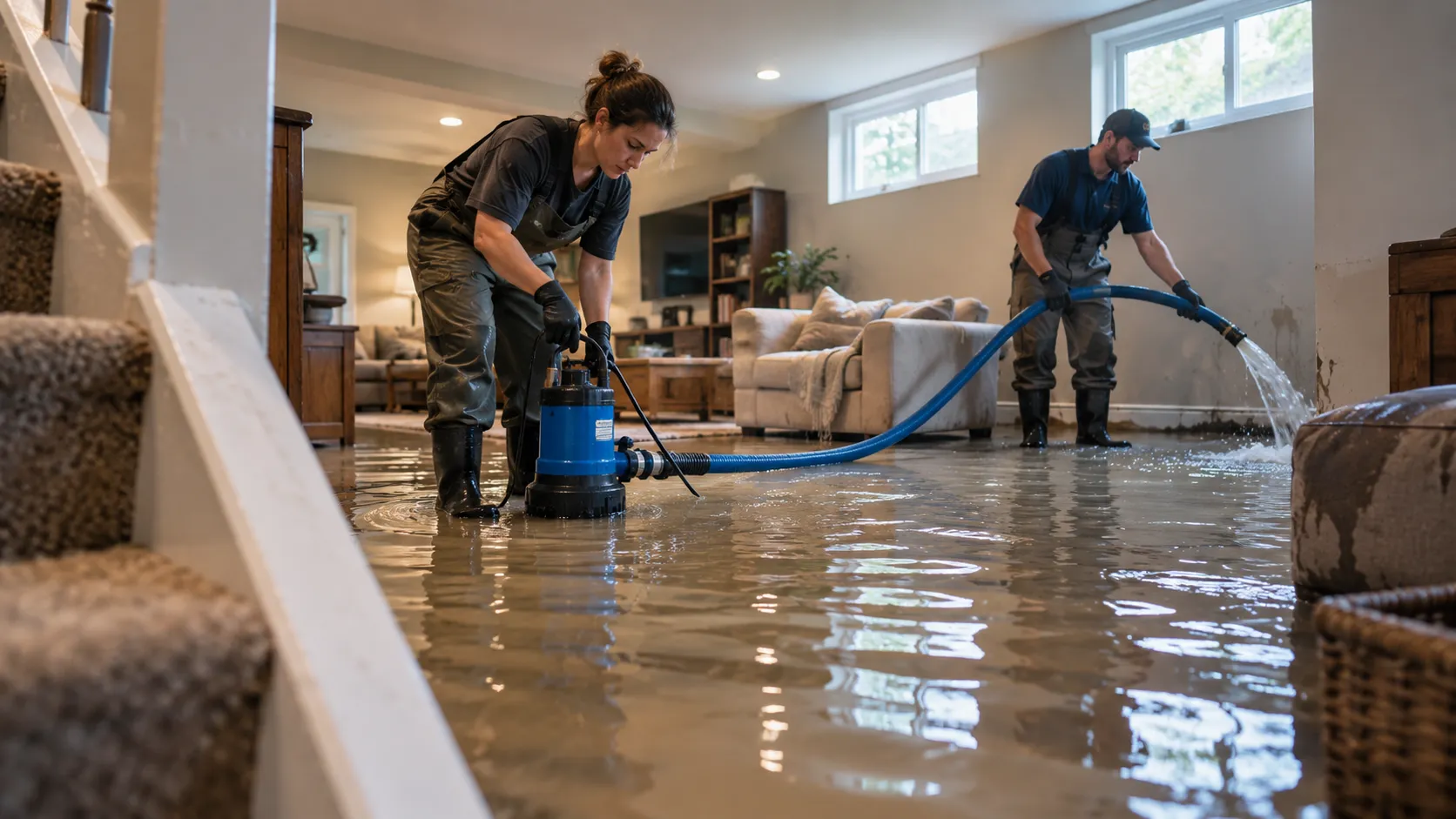
Flooded Basement Cleanup
Performancebelt Restoration connects homeowners with independent local providers for flooded basement cleanup, from initial concerns through cleanup decisions.
Read more about Flooded Basement Cleanup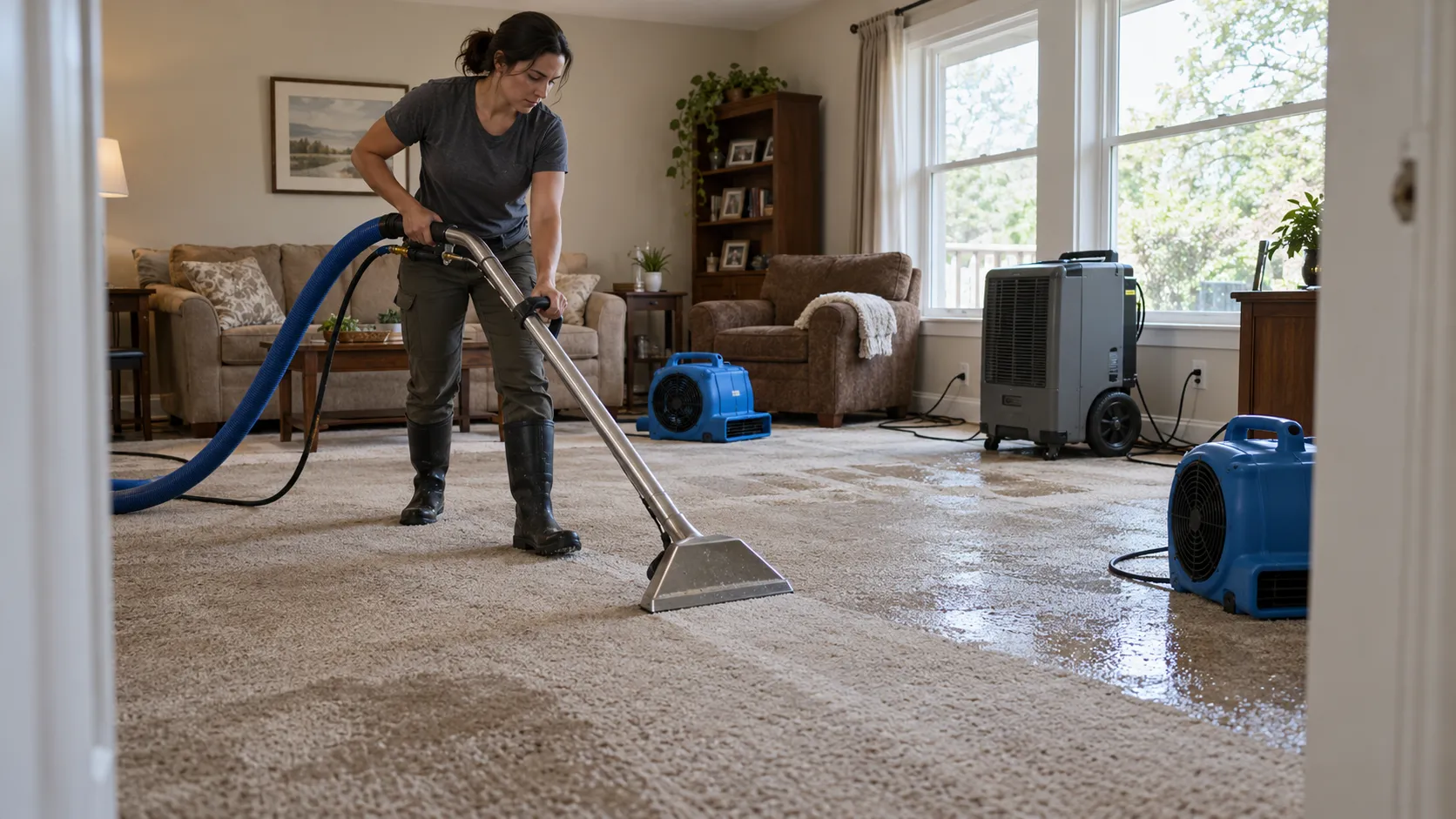
Water Extraction & Structural Drying
Standing water needs attention, but moisture beneath floors and inside walls also needs a clear drying plan.
Read more about Water Extraction & Structural DryingNeed help in Fort Myers?
Tell us what got wet and when you noticed it. Request a callback to check provider availability or request an estimate through Performancebelt Restoration.
No obligationA calmer start when water spreads
If water is still coming in, focus on staying safe. Keep people and pets out of wet rooms. Avoid outlets, cords, or appliances near standing water. Shut off the water supply only if you can reach the valve safely. If the ceiling is sagging or water may be touching electrical parts, stay clear and seek appropriate help.
Then work out what you know. Was there a pipe leak, an overflowing appliance, or rain entering through the roof? When did you first see it? A few clear details help a local provider understand the situation before discussing a visit.
Performancebelt Restoration is a referral service for homeowners in Fort Myers and the Southwest Florida area. Providers in our network assess the damage and handle any agreed work. Request a callback to check provider availability for emergency water damage repair and discuss the next step.
While arranging help, take photos from a safe spot. Note which rooms are affected. Avoid moving heavy wet materials or using household equipment to collect water. You do not need to solve the whole problem before making the call.
Moisture moves
The first puddle tells part of the story
Water can move beyond the spot where it lands. It may spread under a cabinet, pass beneath flooring, or soak into the lower edge of a wall. A tile surface can look unchanged while nearby trim or materials below it remain wet. The size of the visible puddle does not tell you how much drying is needed.
During the first hours, the source and type of water matter. A plumbing leak calls for different precautions than stormwater entering from outdoors. Tell the provider if the water may contain sewage or other waste. Keep away from water whose source is unclear.
The next day needs a closer look
As time passes, damp materials may swell, stain, or develop an odor. High indoor humidity can make drying harder. Mold may become a concern when moisture remains, but there is no single timeline that fits every room. Material, temperature, water exposure, and airflow all affect what happens.
A provider may use moisture readings to check beyond visible surfaces. Ask which areas need water extraction, which materials may need removal, and how the provider plans to track structural drying. Equipment placement alone does not show that the job is finished.
A connection with clear boundaries
Performancebelt Restoration helps connect you with an independent local provider. Performancebelt Restoration does not inspect homes, perform restoration, or set the provider's prices. The provider explains the proposed work, scheduling, and payment terms directly.
Before agreeing to a job, ask for a written scope and quote. Check whether the quote includes extraction, drying equipment, monitoring visits, material removal, and later repairs. Some work may require a separate trade or another agreement.
You can also ask what would change the plan after inspection. Hidden moisture sometimes means the first outline needs revision. Clear questions at the start help you understand each decision as the work moves forward. Keep a copy of any revised scope alongside the original quote.
Help near your home
Performancebelt Restoration connects homeowners in Fort Myers and the Southwest Florida area with providers in our network. Availability depends on your address, the type of damage, and current provider schedules. Share your location early so the service area can be checked before you make plans for a visit.
Homes across the region handle moisture in different ways. Concrete block homes on slabs can still have wet drywall, cabinets, or floor layers after a leak. In condos, water may travel between units or through shared building spaces. Let the provider know if a property manager or association needs to coordinate access.
Basements are less common here, but below-grade rooms and storage areas still need careful attention when they flood. Describe the actual space rather than trying to pick the right service name yourself.
Frequent summer storms can also leave several homes needing help at once. Request a callback to check provider availability and explain whether water is still entering. If the damage affects a shared wall, roof, or plumbing line, mention that too.
Have your street address, affected rooms, and a short description ready. Those details give the provider a useful starting point. They also help you explain the problem without having to repeat every detail from memory.
Planning for wet weather here
Summer rain can reveal small gaps
Summer storms are a familiar part of life in the Southwest Florida area. Wind-driven rain may show up near a window, door, or roof opening. Once the area is safe, note where the water first appeared. That detail may help the provider separate the entry point from the places water reached later.
Humidity affects the drying plan
Air can feel damp here even after the rain stops. Opening windows may add moisture when outdoor air is humid. Ask the provider whether the affected rooms should stay closed during drying and how your home's cooling system fits into the plan. Follow the instructions for the actual conditions.
Slab homes still have absorbent parts
Concrete block walls and tile floors do not make a home immune to water damage. Baseboards, doors, cabinets, insulation, and wall finishes may absorb moisture. In homes built across different decades, added flooring or past renovations can also change where water collects. Share any changes you know about.
Roof leaks may spread out of sight
Tile and shingle roofs can both allow water inside when parts are damaged or worn. A ceiling mark may appear away from the entry point. Avoid climbing onto a wet roof or opening a swollen ceiling. A provider can explain the cleanup needs; roof repairs may require a separate contractor.
Shared buildings need shared information
For a condo, notify the appropriate building contact about water affecting shared areas or another unit. Ask who can authorize access and who handles the source of the leak. Keep your own photos and notes. The provider may need this information before planning equipment placement or material removal.
Storm season calls for simple preparation
Hurricane season runs from June through November. Keep important records somewhere dry and know where your water shutoff is located. After severe weather, check accessible indoor areas for damp spots when it is safe. Follow local safety instructions before returning to a damaged property or entering floodwater.
Keep a record as conditions change
Save photos, dates, messages, and written quotes in one place. Note new stains or odors without entering unsafe areas. Some policies may cover sudden damage; check your policy and speak with your insurer. Providers can often help document damage for a claim, but coverage decisions belong to the insurer.
Describe the damage
Start with the room, the likely water source, and when you noticed the problem. Mention standing water, a damp ceiling, or a musty smell. Performancebelt Restoration uses those details to help connect you with a local provider.
Request a callback to check provider availability. The provider will discuss the job and any proposed work with you directly.
Prefer to begin with a written request? Share the same details when you request an estimate.
What to expect
Why Choose Performancebelt Restoration?
Useful details come first
Describe the source, affected rooms, and timing so a local provider has a clearer starting point when you discuss the damage.
Defined roles
Performancebelt Restoration makes the connection. The independent provider assesses your home, explains the work, and answers questions about the proposed scope and price.
Progress worth checking
Ask how moisture readings guide the drying plan and what the provider needs to see before drying equipment can leave your home.
Room for questions
Request a written quote and discuss uncertain items before agreeing to work, including possible changes if the provider finds hidden damage.
FAQ
Questions after finding water
What should I do first when I find water damage?
Keep away from electrical hazards and unsafe ceilings. Stop the water source only if you can do so safely. Take photos from a dry spot, then contact a local provider. Tell them where the water appeared, whether it is still entering, and which rooms are affected.
How long does structural drying take?
There is no fixed schedule for every home. Drying depends on the materials, amount of water, indoor conditions, and access to wet areas. Ask the provider how moisture readings guide the work and what findings would mean the drying plan needs to change.
Does Performancebelt Restoration perform water damage restoration?
No. Performancebelt Restoration is a referral service that connects homeowners with independent local water damage restoration providers. The provider inspects the property, recommends a scope, supplies pricing, and performs any work you agree to. Discuss scheduling, payment, and job questions directly with the provider.
Can I get flooded basement cleanup if my home has a below-grade room?
Ask about the specific space when you call. A local provider can discuss flooded basement cleanup or water extraction for a below-grade room. Explain the water depth, likely source, and access. Stay out if electrical hazards or contaminated water may be present.
Will homeowners insurance cover water damage cleanup?
Some policies may cover sudden damage; check your policy. Flooding, ongoing leaks, and other causes may have different terms or exclusions. Contact your insurer about your situation. Providers can often help document damage for a claim.
Contact Us
Request a callback
Tell us what got wet and when you noticed it. Request a callback to check provider availability or request an estimate through Performancebelt Restoration.
No obligation